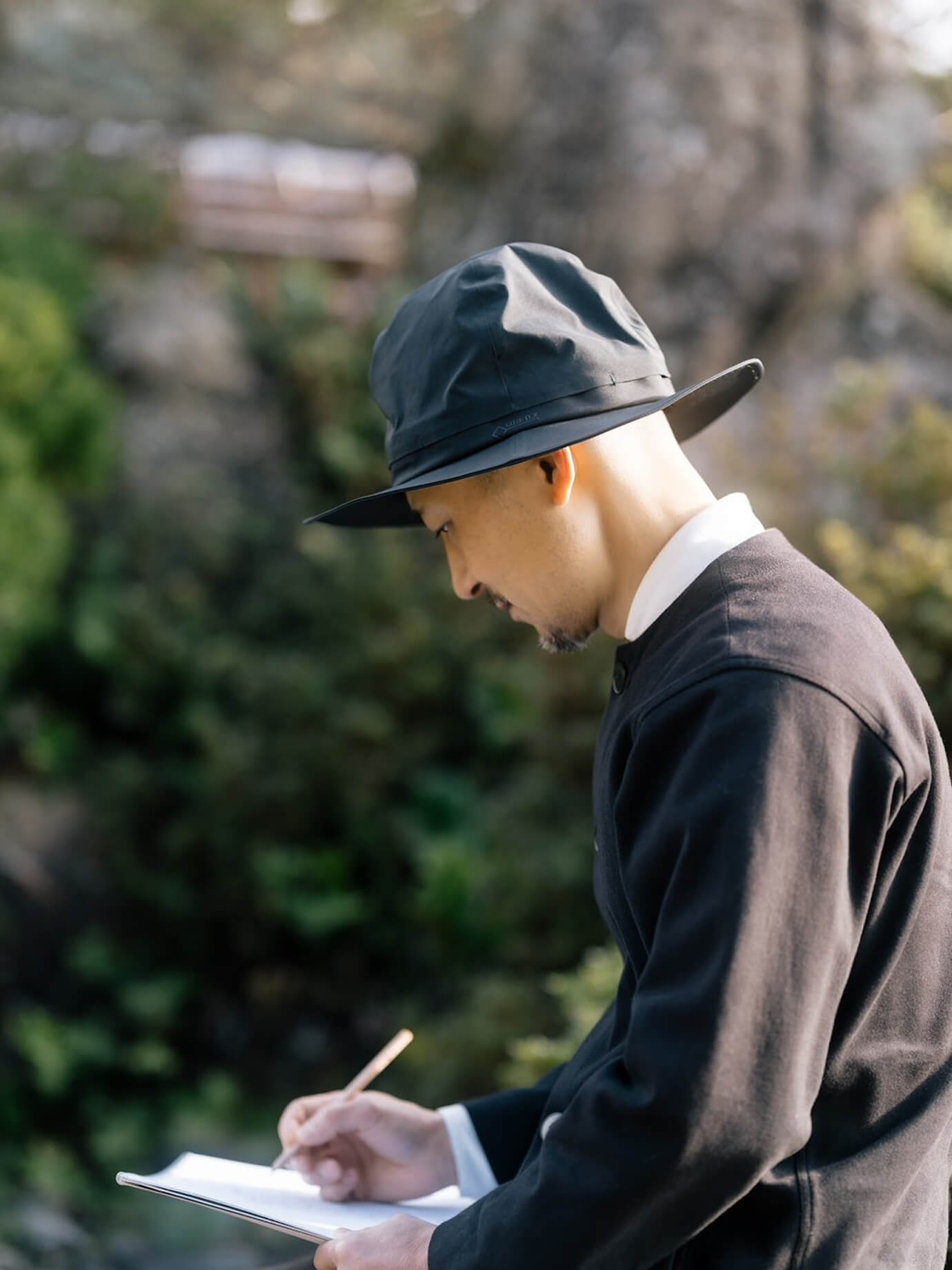
布に、暮らしに、静かな火を灯す太田卓志の仕事 。
Takashi Ota’s work quietly lighting a gentle flame in fabric and in everyday life.
Date. 2026.01.13 Stories
テキスタイルデザイナーの太田卓志は、チテンショップとのコラボレーションにより、日本の伝統と現代の美学をシームレスに融合させ、風景、伝統、抑制の美しさをささやくような生地を生み出しています。
Lighting a gentle flame in textiles and in daily living the craft of Takushi Ota. From a locally rooted studio, his fabrics continue their journey into the world.
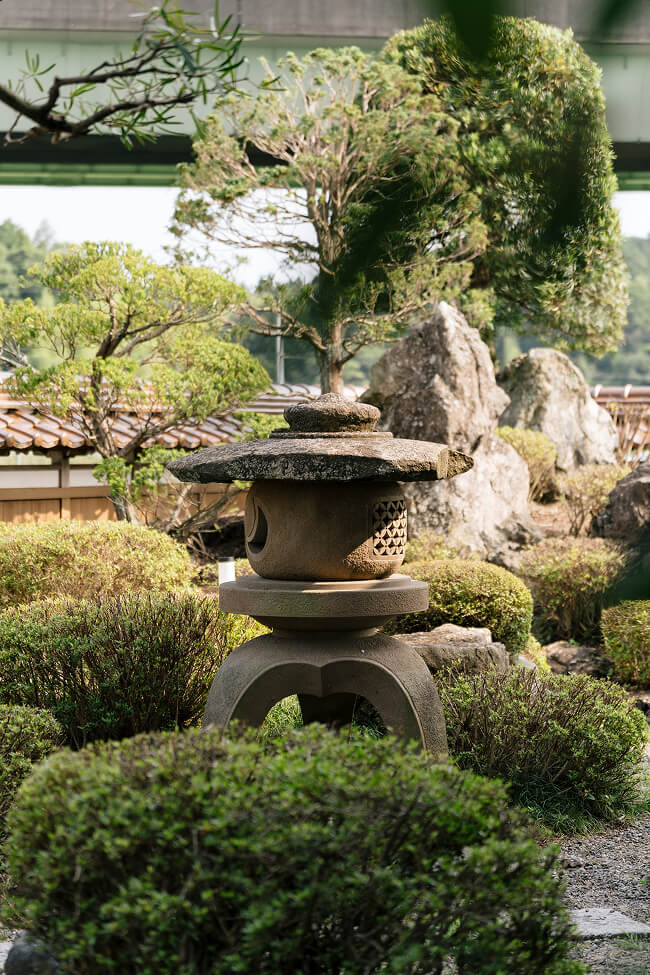
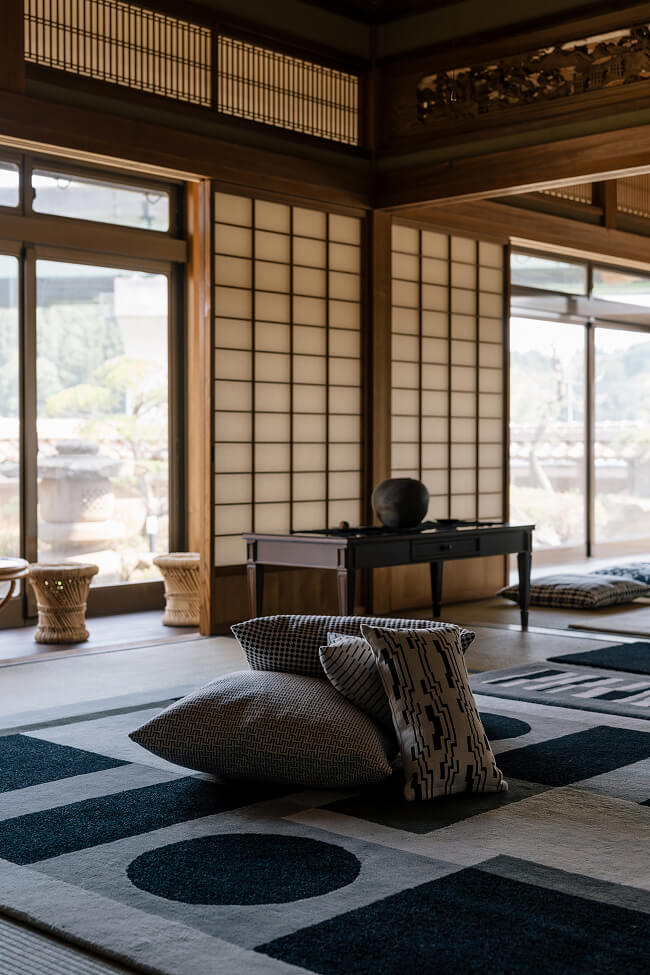
安来の穏やかな田園風景の中、広大な田園と低い丘陵に囲まれ、美しく保存された伝統的な日本家屋が佇んでいます。ここは、テキスタイルデザイナー、太田卓志のアトリエ兼工房チテンショップです。ここでは、洗練された美意識と文化のルーツが出会い、静謐な風景が広がります。
そこは静かな意志が宿る場所。ここから、太田の織物は、手触りと質感を通して、風景、伝統、そして完璧への静かな追求を、優しく語りかけ始める。まるで、一つ一つの襞が、安来の静かな地平線を織りの内に閉じ込めているかのようだ。
Amid the gentle countryside of Yasugi, a beautifully preserved traditional Japanese house nestles between wide fields and low hills. This is CHITEN SHOP—the atelier and workshop of textile designer Takasi Ota. Here, considered aesthetics meet cultural roots, and a tranquil landscape unfolds.
It is a place of quiet intention. From here, Ota’s fabrics begin to speak—softly, through touch and texture—whispering of landscapes, traditions, and the quiet pursuit of perfection, as if each fold holds the calm horizon of Yasugi within its weave.


太田が形に魅了されたのは、子供の頃、祖父を訪ねた際に墓石に刻まれた家紋をなぞっていた時でした。天体幾何学を思わせる円形のデザインに惹かれ、彼はそれを自分のものにしてスケッチを始めました。その後、小学校の頃、父親の風変わりな肖像画を描いたところ、先生から「君はデザインに向いているね」と褒められました。その言葉は、その後も静かに心に残りました。
思春期には、彼の創造的な本能が成熟しました。太田は古着をカスタマイズし、ジャケットやシャツに自身のロゴやモチーフを刺繍していました。高校生になると、地元の図書館で偶然見つけたファッションデザインに関する本に魅了され、ページをめくる手が止まりませんでした。国内のデザイン大学への入学は叶いませんでしたが、イギリスを目指しました。幼い頃から英語を学んでいた彼は、イギリスに移住し、語学、音楽、そして文化に没頭しました。ビザの都合で最終的に帰国しましたが、この経験は彼の美的感覚を研ぎ澄ませました。
東京に戻った彼は、日本で最も権威のあるデザイン学校として広く知られる文化服装学院に入学し、そこでテキスタイル理論の研究に魅了されました。パターンやテクスチャーが、機能と美的論理の両方をどのように表現できるかに、彼はますます興味を持つようになりました。「私が思い描いた生地を工業化するには、構造を理解する必要がありました」と彼は振り返ります。「しかし、それ以上に重要なのは、視覚化し、直感的に表現する能力を鍛えることでした」
太田は7年間を東京で過ごし、デザイン業界で働きながら創作活動を続け、日々絵を描き、芸術的ビジョンを磨き続けました。やがて健康上の懸念から故郷の松江に戻り、ゆったりとした生活の中で、彼は茶文化に目を向けました。歴史ある茶店で働き、茶の儀式と自身のデザインへのアプローチの間に共通点を見出しました。
東京の猛烈なペースから京都の工房街への移行は、創作の新しいリズムをもたらしました。それは時間ではなく、ゆっくりと展開していく工芸品で測られるリズムです。
その後、京都の染色業界で働き始めました。週末には染色家や織工といった職人を訪ね、彼らは惜しみなく技法を教え、彼の実験的な要望にも応えてくれました。この経験を通して、彼は素材に関する知識を深め、工程へのこだわりを強めていきました。
Ota’s early fascination with form began as a child, tracing family crests etched onto gravestones during visits with his grandfather. The circular designs—evocative of celestial geometry—led him to sketch his own versions. Later, in primary school, a whimsical portrait of his father drew praise from a teacher who told him, ‘You’re made for design.’ It was a comment that lingered quietly.
His creative instincts matured in adolescence. Ota customised second-hand clothing, embroidering personal logos and motifs onto jackets and shirts. By high school, a chance encounter with a book on fashion design at the local library left him captivated—he found himself unable to stop turning the pages. Although unsuccessful in gaining admission to a domestic design university, he set his sights on the UK. Having studied English from an early age, he relocated to Britain, where he immersed himself in language studies, music, and culture. Visa constraints eventually brought him back home, but the experience sharpened his aesthetic lens.
Back in Tokyo, he enrolled at Bunka Fashion College—widely regarded as Japan’s most prestigious design institute—where he was drawn to the study of textile theory. He became increasingly interested in how patterns and textures could articulate both functional and aesthetic logic. ‘To industrialise the fabrics I envisioned, I needed to understand structure,’ he reflects. ‘But more importantly, I had to train my ability to visualise and express intuitively.’
Ota spent seven years in the capital, where he continued his creative practice while working in the design industry, drawing daily and refining his artistic vision.
Eventually, health concerns prompted a return to his native Matsue. There, in the slower rhythm of life, he turned his attention to tea culture—working at a historic teashop and discovering parallels between the rituals of tea and his approach to design.
The shift from Tokyo’s relentless pace to Kyoto’s workshop alleys offered new rhythms of creation—ones measured not in hours, but in the slow unfolding of craft..
A stint in Kyoto’s dyeing industry followed. On weekends, he visited craftspeople—dyers and weavers—who generously shared their methods and entertained his experimental requests. The period deepened his material knowledge and reinforced his commitment to process.

暮らしを彩る、布の息吹
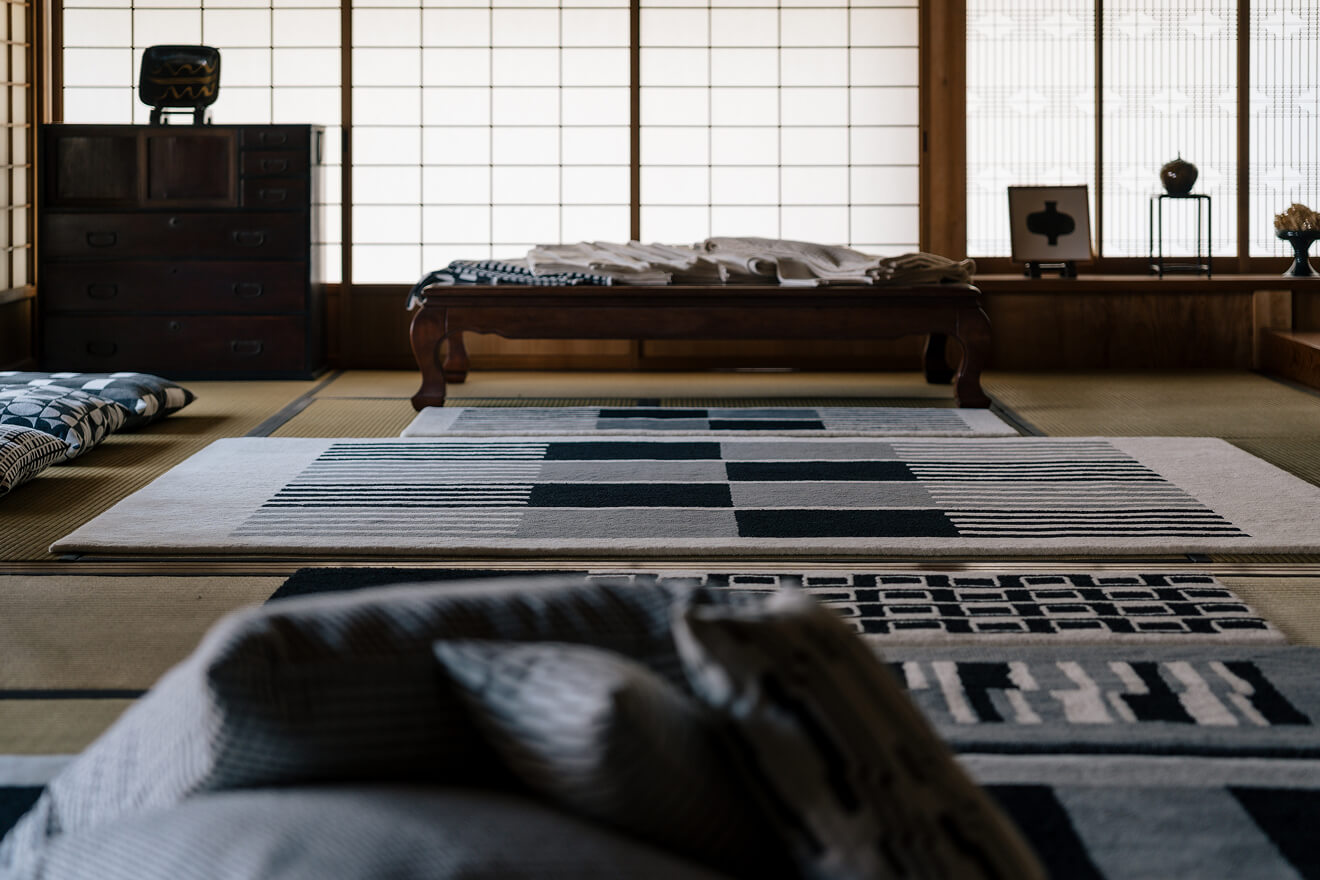
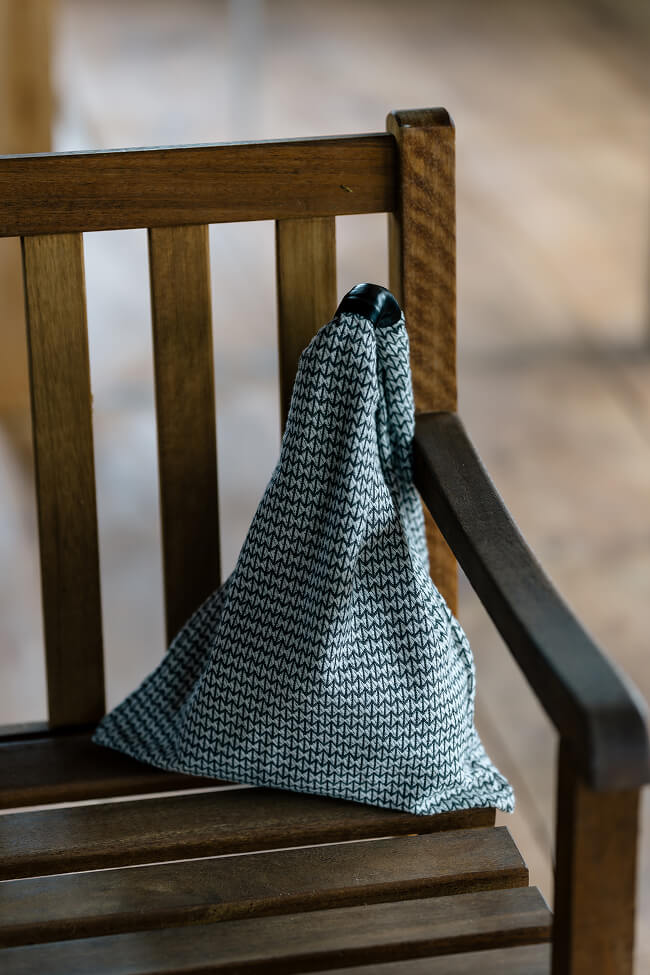
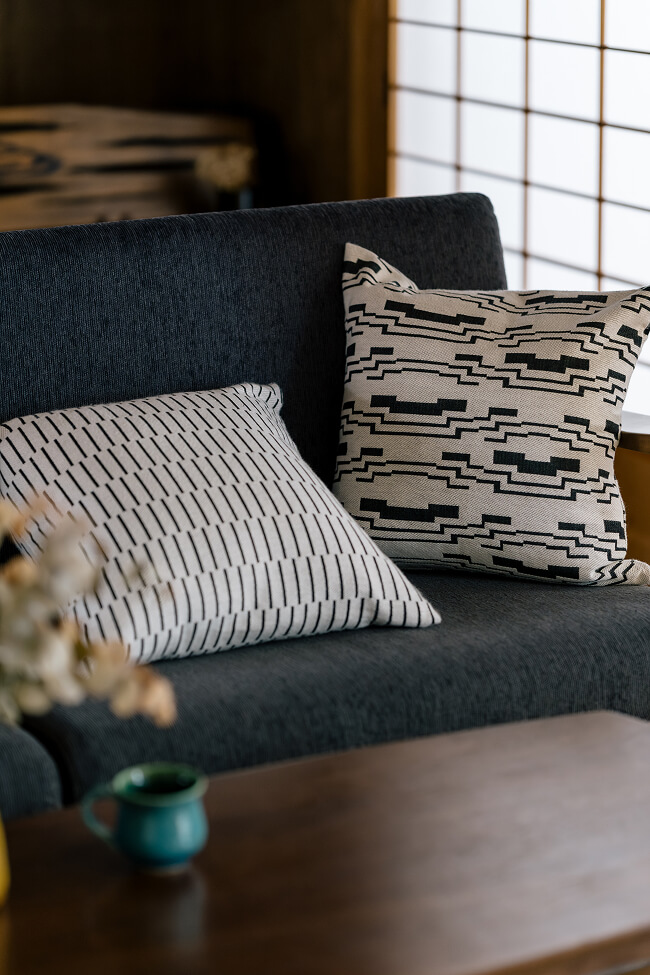
今日、太田氏の作品は地域に根ざしつつも、決して偏狭ではありません。彼の3つのレーベル、MALTOWA、PLIS、そしてTAKASI OTAは、この歩みの集大成です。それぞれ焦点は異なりますが、洗練された感性と、素材と土地への揺るぎない敬意によって結集しています。MALTOWAは、日本語の「円(えん)」と「和(わ)」にちなんで名付けられ、その哲学とフォルムの両方を形作る概念となっています。このインテリアブランドは、伝統的なシルエットの穏やかなラインと、現代的な感性の柔らかなタッチを融合させ、静かな温かみを感じさせます。PLISはプリーツの彫刻的な可能性を探求し、日常的な折り目を、動きと光に反応する立体的なフォルムへと昇華させます。TAKASI OTAは、彼にとってテキスタイルアートの実験的なキャンバスとなっています。安来にある彼のスタジオは、静かな創作の場であり、そこでは技術だけでなく、生きた経験と文化的記憶によってテキスタイルが形作られています。「目新しさを追い求めるのではない」と彼は言います。 「すでに共鳴しているものを洗練させることが大切なのです」
The Living Breath of Textiles, Enriching Everyday Life
Today, Ota’s work is firmly grounded in locality, yet never parochial. His three labels—MALTOWA, PLIS, and TAKASI OTA—are the culmination of this path: distinct in their focus, yet united by a refined sensibility and an enduring respect for material and place. MALTOWA takes its name from the Japanese words for circle (en) and harmony (wa) — concepts that shape both its philosophy and form. This interior brand evokes a sense of quiet warmth, blending the calm lines of traditional silhouettes with gentle touches of modern sensibility. PLIS explores the sculptural possibilities of pleats, transforming everyday folds into three-dimensional forms that respond to movement and light. TAKASI OTA serves as his experimental canvas for textile art. His studio in Yasugi is a place of quiet making, where textiles are shaped not just by technique, but by lived experience and cultural memory. ‘It’s not about chasing novelty,’ he says. ‘It’s about refining what already resonates.’


これら3つのブランドは、人々が繋がり、物語が紡がれ、暮らしの質感が新たな意味を見出す静かな空間、チテンショップでデビューします。そして、その壁の向こうの野原と同じように、太田の織物は、その手触りと質感を通して、優しく語りかけ始めます。風景、伝統、そして完璧への静かな探求を、まるで一つ一つの襞の中に安来の静かな景色を織り込んでいるかのようです。
チテンショップでは、ご予約制でご来店をお待ちしております。生地と触れ合う時間と同じように、ゆったりとした雰囲気の中で、皆様と触れ合っていただけます。ご来店のご予約は、インスタグラムのダイレクトメッセージにて承っております。
一歩足を踏み入れれば、安来の静かな芸術性が壁を越えてあなたを包み込む。まるで野原に漂う雨の香り、あるいは、触れた時の感触を記憶する布の柔らかな重みのように。静寂の中で、形は記憶へと変わる。布を包み込む襞は、日本の伝統工芸の静かな尊厳をも包み込む。
本記事は、以前取り上げていただいた内容をベースに掲載しております。
This article is based on content that was previously featured and has been adapted for this publication.
文:斎藤 貴志
Words by Takashi Saito